Blog
Blood Sugar After Eating: What Numbers Are Typical?
Blood sugar after eating rises in everyone, as food breaks down into glucose, then falls again within hours. A 2-hour glucose tolerance test reading of 140 to 199 mg/dL signals prediabetes, and 200 or more signals diabetes. Your own target should come from your doctor.
Written by the Sugar Defender label teamUpdated · 4 min read

Why does blood sugar rise after eating?
Blood sugar rises after eating because your body turns the carbohydrates in food into glucose, which enters the blood.
In a healthy body, the pancreas releases insulin. Insulin helps move glucose out of the blood and into cells, so the level drifts back down over the next hours.
That rise is normal, and it is not a sign of disease. What matters is how high it goes and how long it stays up.
When cells respond poorly to insulin, the level climbs higher and lingers. Our guide to insulin resistance basics explains why that happens.
What is a typical blood sugar number after eating?
There is no single typical number to promise you, and the figures that follow come from a lab test, not from a meal at home.
The clearest public benchmark is the oral glucose tolerance test. You drink a measured sugar drink, and a lab checks your blood two hours later (NIDDK, Diabetes & Prediabetes Tests).
| Two-hour reading | What it signals |
|---|---|
| Below 140 mg/dL | Typical range |
| 140 to 199 mg/dL | Prediabetes |
| 200 mg/dL or higher | Diabetes (needs confirming) |
About 97.6 million US adults had prediabetes in 2021 (NIDDK, Insulin Resistance & Prediabetes). Many did not know it.
A home meter reading after a meal is not the same test. The food, timing and meter all differ, so do not diagnose yourself from one reading.
What changes blood sugar after eating?
The type of food, the portion and what you eat it with all change blood sugar after eating.
The CDC explains that fruit juice raises blood sugar faster than whole fruit, and that eating carbohydrates with protein, fat or fiber slows the rise (CDC, Diabetes Meal Planning).
- Liquid carbohydrates, such as juice and soda, act fastest
- Larger portions of starch raise it more
- Pairing carbs with protein or fiber slows the climb
- A short walk afterward uses some glucose in the muscles
The plate method is a simple guide: half the plate nonstarchy vegetables, a quarter lean protein, a quarter carbohydrate foods. Your doctor or dietitian can set carbohydrate targets for you.
Sleep, stress and illness matter too. A poor night can push numbers up the next day.
What is a healthy blood sugar level after eating for you?
Your healthy level after eating is a target set with your own care team, because age, medicine and health history change it.
We do not print after-meal targets for home meters. Published targets differ between groups, and they were written for people already working with a clinician.
Ask your doctor three questions: when should I check, what range should I aim for, and what should I do if I am above it? Write down the answers.
Do not stop or change a diabetes medicine because a meter looked fine. Do not start a supplement to change your numbers without asking your doctor or pharmacist.
Can a supplement change blood sugar after eating?
No supplement has been shown to fix after-meal blood sugar, and Sugar Defender has no trial of its own.
The National Center for Complementary and Integrative Health says no dietary supplement has been shown to treat diabetes (NCCIH, Diabetes and Dietary Supplements). Some herbs and minerals may also pull blood sugar too low when combined with diabetes drugs.
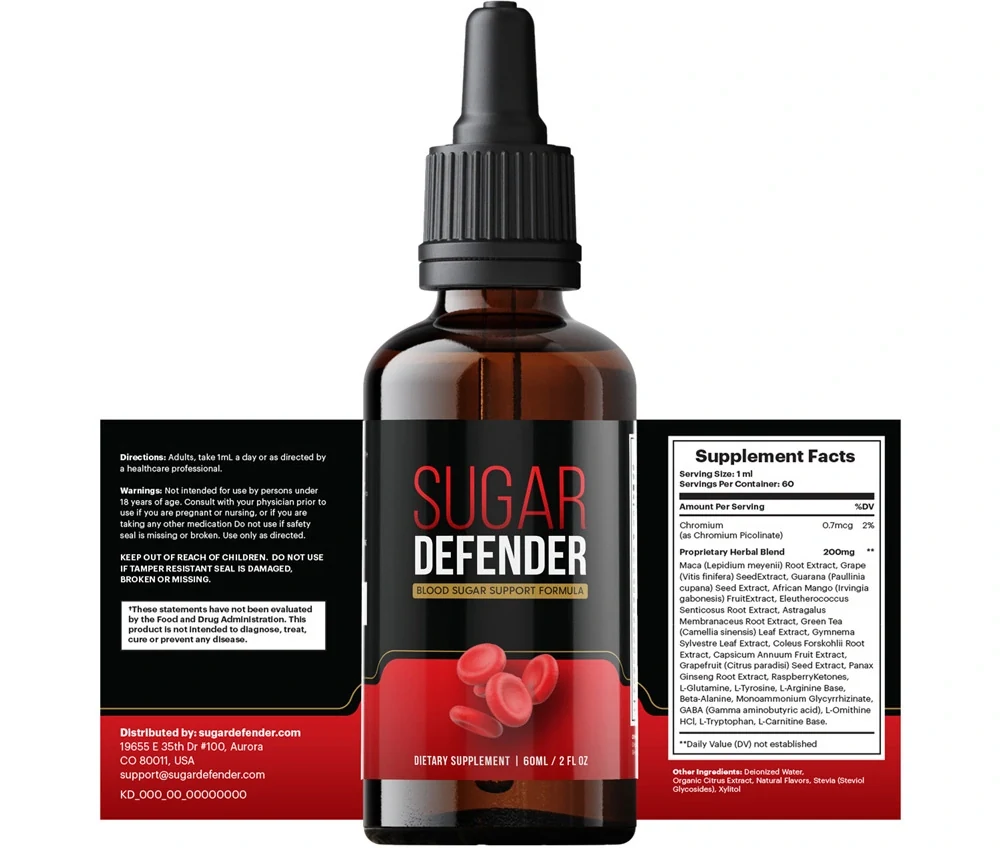
The drops list 0.7 mcg of chromium per 1 mL serving, far below the 200 to 1,000 mcg used in studies. Read the full facts on our Sugar Defender supplement facts page.
Habits with proven results are plainer: steady meals, movement and sleep.
FAQ01
Blood sugar after eating: quick questions
How long after eating does blood sugar peak?
It varies with the meal, but the rise generally happens within the first hour or two and then falls. Your clinician can tell you when to check. Do not rely on one reading to judge your health.
Is 140 mg/dL after a meal normal?
A 2-hour glucose tolerance test reading below 140 is typical, and 140 to 199 signals prediabetes. A home meter after a normal meal is a different test, so ask your doctor what 140 means for you.
Does walking after a meal help blood sugar?
A short walk can help muscles use some of the glucose from a meal, and 150 minutes of weekly activity is a common goal. If you take diabetes medicine, ask your doctor about timing and low blood sugar.
Should I check my blood sugar after eating every day?
Only if your doctor advises it. Daily checks matter for people on certain medicines, and may add worry for others. Ask what to test, when, and what to do with a high result.
Who wrote this02
Written and reviewed by
Pages built from the label, the sales page and linked NIH, FDA, CDC, FTC and peer-reviewed sources.
Last updated . Read our editorial standards and the way we check reviews. This website is run by an authorized American Sugar Defender outlet, not by the manufacturer or the distributor. Purchases made through our order links earn us money.
Keep reading
More about Sugar Defender
Authorized American Sugar Defender outlet
Ready to try Sugar Defender?
Start with a medicine check, then pick a pack. Three or six bottles ship free in the US at a lower price per bottle, and every pack carries the 60-day money-back guarantee.
- Secure checkout
- 60-day money-back guarantee
- Ships from the U.S., free on 3 or 6