Guides
Sugar Defender Guides: Blood Sugar Basics in Plain English
The Sugar Defender guides explain blood sugar basics in plain words: what your A1C and fasting numbers mean, how insulin resistance starts, what a blood sugar supplement can and cannot do, and how supplements meet diabetes medicines. Each guide uses public NIH, CDC and FDA sources. None of them, and no supplement, replaces a test or a talk with your doctor.
Written by the Sugar Defender label teamUpdated
Start here01
What do the Sugar Defender blood sugar guides cover?
The Sugar Defender blood sugar guides cover three topics: your numbers, insulin resistance, and how supplements fit next to diabetes medicines.
Each guide answers one big question. The blog posts below them answer smaller ones, such as what a normal reading after a meal looks like.
We wrote them because people who buy a blood sugar supplement often have questions the bottle cannot answer. The label tells you the dose. It cannot tell you what your A1C means.
| Guide | Question it answers | Key numbers | Main source |
|---|---|---|---|
| Blood sugar numbers explained | Is my A1C or fasting reading normal? | A1C under 5.7%; fasting under 100 mg/dL | NIDDK (NIDDK, Diabetes & Prediabetes Tests) |
| Insulin resistance basics | What is insulin resistance, and what helps? | 58% lower type 2 risk in the DPP lifestyle group | NIDDK (NIDDK, Insulin Resistance & Prediabetes) (NIDDK, Diabetes Prevention Program) |
| Supplements and diabetes medicines | Can I take a supplement with my medicine? | A low is under 70 mg/dL | ADA, NIDDK (ADA, Vitamins & Supplements) (NIDDK, Low Blood Glucose) |
The category02
What is a blood sugar supplement?
A blood sugar supplement is a dietary supplement sold with wording like "supports healthy glucose". It is a food product under the law, not a medicine.
That legal line matters. A drug must pass FDA review before it is sold. A supplement does not, and the maker is responsible for its safety and its claims (FDA, Information for Consumers on Supplements).
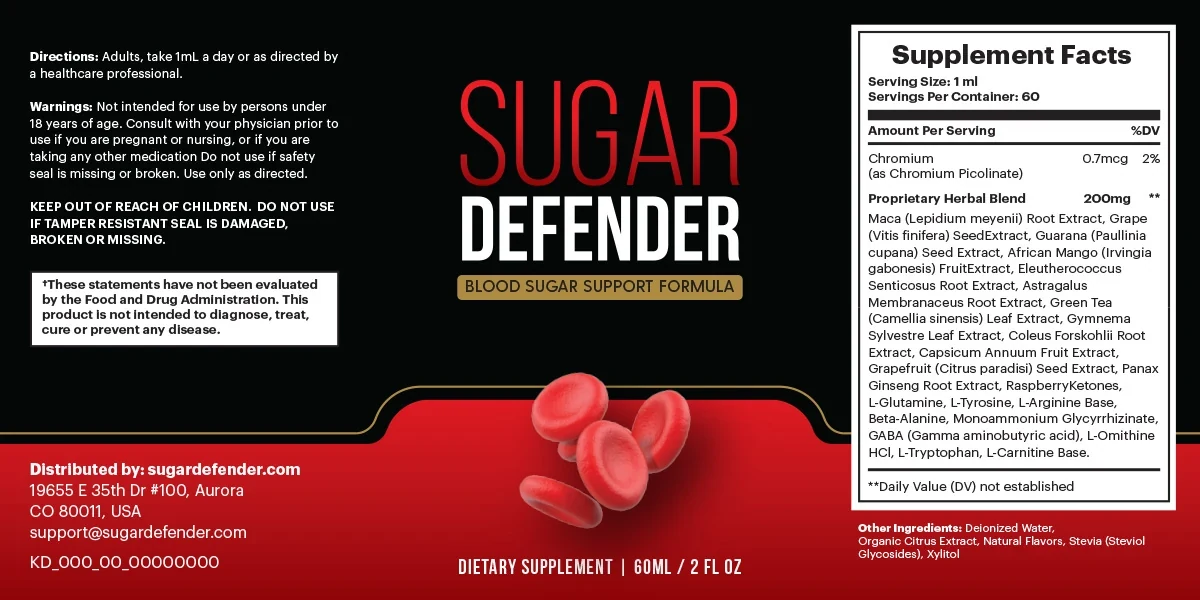
Supplements may describe support for a normal body function. They may not say they treat a disease. That is why the Sugar Defender bottle reads "Blood Sugar Support Formula" and carries the FDA statement.
What to look for on any label
- A printed amount for each key ingredient, or at least the blend total
- A dose you can compare with the studied dose
- Warnings about medicines, pregnancy and age
- A named distributor with a real address
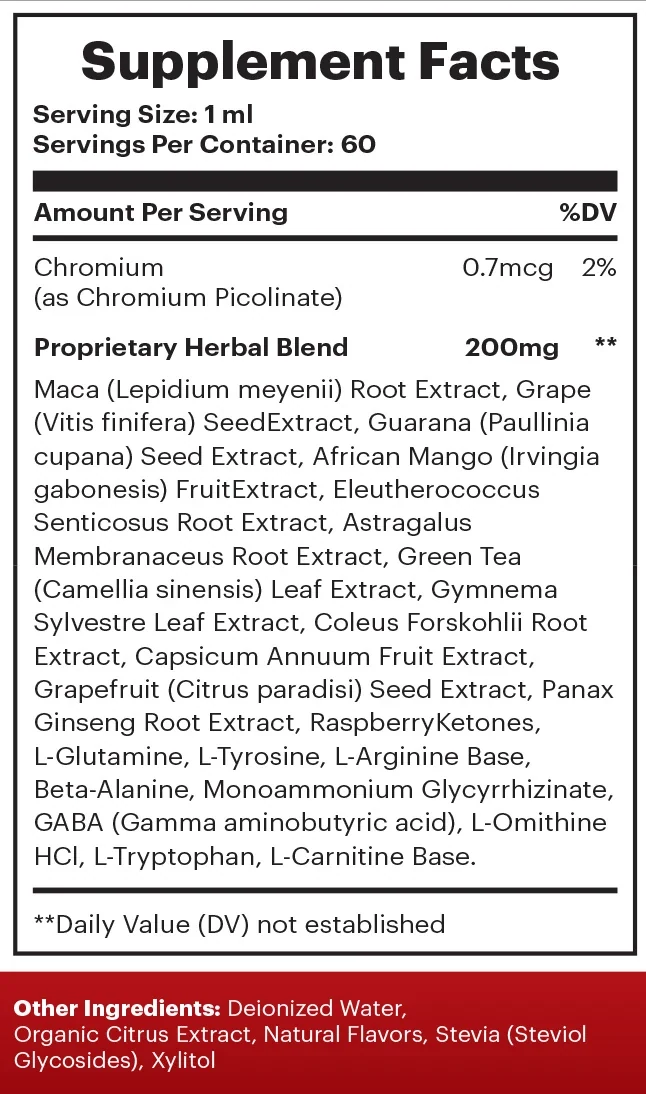
The Sugar Defender label prints a dose for chromium and only a total for its 200 mg blend. See the Sugar Defender ingredients for the math.
Evidence03
Do blood sugar supplements work?
Mostly no, according to NIH and the ADA. NCCIH finds no good evidence that most supplements help diabetes, and only weak evidence for a few, such as chromium and berberine (NCCIH, Diabetes and Dietary Supplements).
The ADA goes further. Its care standards do not find any supplement proven to bring glucose down, unless you have a real deficiency (ADA, Vitamins & Supplements).
A small effect in a study is also not the same as a useful effect in your body. Many trials were short, small, or used doses far above what a typical product holds.
| Ingredient | Studied dose | Finding |
|---|---|---|
| Chromium | 200-1,000 mcg a day | Slight drops in people with diabetes; no change in healthy people (NIH ODS, Chromium) |
| Gymnema | 200-400 mg of extract | A small fasting drop; strong trials lacking (Drugs.com, Gymnema monograph) |
| Ginseng | 100 mg to 20 g | About 5.6 mg/dL lower fasting glucose; no A1C change (Shishtar et al., PLoS One 2014) |
| Berberine | Varied, short trials | Lower A1C in 37 trials of type 2; not on the Sugar Defender label (Frontiers in Pharmacology, Berberine meta-analysis 2022) |
Sugar Defender itself has never been tested in a trial. Its 0.7 mcg of chromium is well under the studied range.
Who04
Who needs blood sugar support?
Anyone with a raised risk of type 2 diabetes needs blood sugar support, but the support that counts is testing, food, activity and medical care, not a bottle.
The CDC lists the main risk factors: age 45 or older, being active less than three times a week, a parent or sibling with type 2 diabetes, and overweight (CDC, Diabetes Risk Factors).
The numbers are large. About 115.2 million U.S. adults have prediabetes and 40.1 million have diabetes, and many have not been told (CDC, National Diabetes Statistics Report).
Get tested first
An A1C or fasting test shows where you stand. A supplement cannot show you that.
Ask about a program
CDC-recognized lifestyle programs teach the habits that cut risk the most.
Add extras last
If you still want a supplement, check it with your doctor and pharmacist. See who Sugar Defender is for.
Timing05
When should you take blood sugar support?
Take blood sugar support at the time the label gives, or at one steady time each day if it gives none. The Sugar Defender label says 1 mL a day and names no time.
A morning dose suits most people, because guarana and green tea in the blend add caffeine (MSKCC, Guarana). A late dose could cost a light sleeper some rest.
If you take insulin or a sulfonylurea, timing matters more. Ask your care team how a new supplement fits around your doses and meals, since some can add to lows (ADA, Vitamins & Supplements).
Pick one time
Same slot every day, such as after breakfast.
Keep the dose
1 mL, about one full dropper. Never double up.
Watch your readings
Note any shaky or sweaty spells and tell your doctor.
Sugar Defender: from $49 a bottle60 mL · 1 mL a day · free US shipping on 3 or 6 · 60-day money-back guarantee
See packsWhat works06
What cuts type 2 diabetes risk more than any supplement?
Lifestyle change does. In the Diabetes Prevention Program, people who aimed for 7% weight loss and 150 minutes of activity a week cut their risk by 58% (NIDDK, Diabetes Prevention Program).
The CDC puts the target at 5-7% of body weight, about 10 to 14 pounds for someone who weighs 200 (CDC, Prediabetes).
Reading list07
Which blood sugar articles should you read next?
Read the blood sugar articles that match your next question. Each one is short and cites its sources.
The first four look at supplements as a group. The rest cover your numbers and daily habits.
How we write08
How are the Sugar Defender guides checked?
The Sugar Defender guides are checked against public health sources, line by line. Every number links to NIH, CDC, FDA or ADA material you can open yourself.
We do not quote buyers, rank products or promise results. When the evidence is thin, we say so.
Sources change, so each guide shows the date it was last checked. The current check is October 18, 2026.
Never stop or change a diabetes medicine because you started a supplement. Talk with your doctor first, and bring the bottle.
Our full process is on the editorial standards page.
FAQ09
Questions about the blood sugar guides
Are the Sugar Defender guides medical advice?
No. The guides explain public health information in plain words, so you can ask better questions at your next visit. They cannot weigh your history, medicines or test results. Use them to prepare for a talk with your doctor, not to replace one.
Which blood sugar guide should I read first?
Start with blood sugar numbers if you have a recent A1C or fasting result. Read insulin resistance basics if a doctor mentioned the term or you have risk factors. Read the medicines guide before you add any supplement to a diabetes prescription.
Is a blood sugar supplement the same as a glucose support supplement?
Yes, the two names describe the same group of products. Both are dietary supplements sold with wording about normal glucose. Neither is reviewed by FDA before sale, and neither may claim to treat diabetes. Judge each one by its label doses and the research behind them.
Do blood sugar supplements help with prediabetes?
There is little proof that they do. NCCIH finds weak evidence for only a few ingredients. Lifestyle change in the Diabetes Prevention Program cut type 2 risk by 58%, which no supplement has matched. Ask your doctor about a CDC-recognized program first.
Can I take blood sugar support if my numbers are normal?
You can, but there is little reason to. Chromium, the best known ingredient, does not appear to change glucose in healthy people. If your A1C and fasting results are normal, keep up the habits that got you there and retest as your doctor advises.
Why do the guides cite NIH and the CDC instead of the brand?
Because public agencies have no product to sell. Their pages are reviewed, dated and open to anyone. Brand pages are marketing. We read both, then report the brand's claims in quotes and test them against the public sources.
How often are the blood sugar guides updated?
We recheck them when a cited source changes and at least once a year. Each guide shows its last check date. If you spot an outdated number, email the website inbox and we will correct it after checking the source.
Who wrote this10
Written and reviewed by
Pages built from the label, the sales page and linked NIH, FDA, CDC, FTC and peer-reviewed sources.
Last updated . Read our editorial standards and the way we check reviews. This website is run by an authorized American Sugar Defender outlet, not by the manufacturer or the distributor. Purchases made through our order links earn us money.
Keep reading
More about Sugar Defender
Authorized American Sugar Defender outlet
Ready to try Sugar Defender?
Start with a medicine check, then pick a pack. Three or six bottles ship free in the US at a lower price per bottle, and every pack carries the 60-day money-back guarantee.
- Secure checkout
- 60-day money-back guarantee
- Ships from the U.S., free on 3 or 6