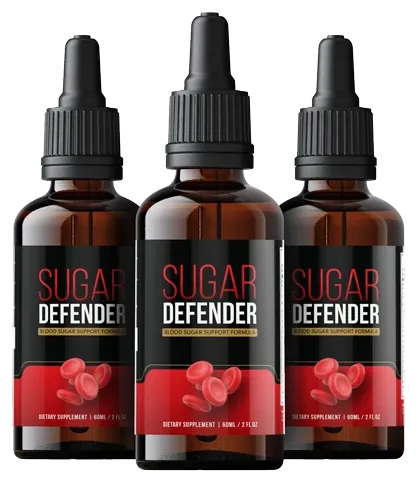
Insulin resistance
Insulin Resistance Basics: Signs, Tests, Habits and Where Sugar Defender Fits
Insulin resistance is when muscle, fat and liver cells stop responding well to insulin, so the body needs more of it to keep blood sugar in range. It often causes no symptoms for years. Risk rises with age 45 and up, low activity, family history and overweight. Lifestyle change cut type 2 diabetes risk by 58% in the DPP. Sugar Defender has no trial in insulin resistance.
Written by the Sugar Defender label teamUpdated
The basics01
What is insulin resistance?
Insulin resistance is a state in which the body's cells answer insulin weakly, so sugar from food has a harder time leaving the blood (NIDDK, Insulin Resistance & Prediabetes).
Insulin is the hormone that lets glucose into muscle, fat and liver cells. When those cells resist it, the pancreas makes extra insulin to keep up.
For a while, the extra insulin works and blood sugar stays normal. Over time the pancreas may not keep pace, and blood sugar starts to climb into the prediabetes range.
That slow slide is why insulin resistance matters. It is often the first step on the road to type 2 diabetes, and it can be found and worked on early.
Symptoms02
Does insulin resistance cause symptoms?
Usually not. Insulin resistance often has no symptoms at all, and most people learn about it only from a blood test.
Signs tend to show up later, once blood sugar is high. The CDC lists thirst, peeing often, tiredness, blurry vision and slow-healing sores (CDC, Symptoms of Diabetes).
Because feelings are a poor guide, a routine lab check is the safer plan. More on what you can and cannot feel is in insulin resistance signs.
Risk03
Who is at risk for insulin resistance?
People at risk for insulin resistance share the same risk factors as prediabetes and type 2 diabetes. The CDC names four main ones (CDC, Diabetes Risk Factors).
Some you can change and some you cannot. One risk factor does not mean you have insulin resistance. Several together are a reason to get tested.
| Risk factor | Can you change it? | What helps |
|---|---|---|
| Age 45 or older | No | Regular testing as your doctor advises |
| Active less than 3 times a week | Yes | Build toward 150 minutes a week |
| Parent or sibling with type 2 diabetes | No | Tell your doctor; test earlier |
| Overweight or obesity | Yes | Aim to lose 5-7% of body weight |
Tests04
How do doctors test for insulin resistance?
Doctors usually test for insulin resistance indirectly, with the same blood sugar tests used for prediabetes: A1C, fasting glucose or a 2-hour glucose tolerance test (NIDDK, Diabetes & Prediabetes Tests).
There is no simple routine test that measures insulin resistance itself. Research labs have ways to do it, but your clinic will most often look at blood sugar.
A result of 5.7% to 6.4% A1C, 100 to 125 mg/dL fasting, or 140 to 199 mg/dL at two hours points to prediabetes (NIDDK, Insulin Resistance & Prediabetes).
Ask for a blood test
Mention your risk factors so your doctor can pick the right test.
Read the band
Compare your result with the ranges on blood sugar numbers explained.
Confirm it
A high result is usually repeated before a diagnosis.
Evidence05
Can lifestyle change improve insulin resistance?
Yes. Lifestyle change is the best tested way to improve insulin resistance and delay type 2 diabetes. In the Diabetes Prevention Program, it cut risk by 58% (NIDDK, Diabetes Prevention Program).
People 60 and older did even better, with a 71% drop. Metformin, a prescription drug, cut risk by 31% in the same study.
The lifestyle group did not need perfect results. The CDC says losing 5-7% of body weight helps, which is about 10 to 14 pounds for a person who weighs 200 (CDC, Prediabetes).
Lifestyle group
Lower risk of type 2 diabetes than placebo in the DPP.
Age 60 and up
The lifestyle effect was strongest in older adults.
Metformin group
A drug helped too, but less than habits did.
Sugar Defender: from $49 a bottle60 mL · 1 mL a day · free US shipping on 3 or 6 · 60-day money-back guarantee
See packsActivity06
How much exercise helps insulin resistance?
Aim for at least 150 minutes of moderate activity a week, such as brisk walking, plus muscle work on two days, per the CDC (CDC, Adult Activity: An Overview).
That is 30 minutes a day, five days a week. Short walks count, and a walk after a meal is an easy place to start.
Working muscles take up glucose, so movement helps insulin do its job. If you take insulin or a sulfonylurea, ask how to avoid lows when you add exercise.
The dial below shows one way a day can hold the habits, along with a single 1 mL dose of the drops for those who take them.
- One fixed time, such as 7:30
1 mL once a day, as the label says. It names no time; a morning slot keeps the caffeine away from sleep.
- A walk after a meal
The DPP lifestyle group aimed at 150 active minutes a week, and its diabetes risk fell by 58%.
- Plates and portions
The CDC says losing 5-7% of body weight helps prevent type 2 diabetes.
- Night, 7 to 9 hours
Guarana and green tea add caffeine, so a morning dose suits light sleepers better than a late one.
Habits are drawn from the Diabetes Prevention Program (NIDDK, Diabetes Prevention Program) and CDC (CDC, Prediabetes); caffeine guidance from FDA (FDA, Caffeine: how much is too much?). The label names no time of day; the morning slot is our suggestion. Follow your label and your doctor.
Food07
What should you eat if you have insulin resistance?
Eat meals built on the plate method: half nonstarchy vegetables, one quarter lean protein, and one quarter carb foods, on a 9-inch plate (CDC, Diabetes Meal Planning).
The CDC notes that eating carbs with protein, fat or fiber slows the rise in blood sugar. Whole fruit raises it more slowly than juice.
Portion size matters too. One restaurant entree can hold three or four servings of carbs. A doctor or dietitian can help you set a carb target.
- Fill half the plate first with greens, peppers or broccoli
- Pick fish, chicken, beans or eggs for the protein quarter
- Choose whole grains or starchy vegetables for the carb quarter
- Drink water or unsweetened drinks
See the diabetes plate method for sample plates.
Chromium08
Does Sugar Defender help insulin resistance?
No study shows that Sugar Defender helps with insulin resistance. The drops have not been tested in any trial, and their chromium dose is tiny.
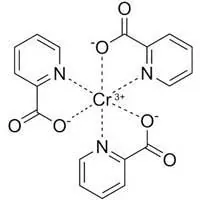
NIH describes chromium as a trace mineral that may help insulin act. Glucose studies used 200 to 1,000 mcg a day, with mixed results and no change in healthy people (NIH ODS, Chromium).
One 1 mL serving of Sugar Defender holds 0.7 mcg. That is 0.35% of the low end of the studied range, and 2% of the 35 mcg Daily Value. You would need about 285 servings to reach 200 mcg.
Chromium can also add to insulin and other diabetes drugs, and may lower how well levothyroxine is absorbed.
Keep taking prescribed medicine
Never stop or change a diabetes or thyroid medicine because you started a supplement. Show the bottle to your pharmacist first. The full dose math is on the chromium picolinate page.
First steps09
What is a simple first-month plan for insulin resistance?
A simple first-month plan for insulin resistance starts with one test, then adds one habit a week.
Small steps are easier to keep. The DPP group worked on habits for months, not days.
- Week 1
Get an A1C or fasting test and write the result down.
- Week 2
Add a 10-minute walk after one meal each day.
- Week 3
Build dinner on the plate method.
- Week 4
Reach 150 minutes of activity and ask about a CDC-recognized lifestyle program.
FAQ10
Insulin resistance questions
Can you have insulin resistance with normal blood sugar?
Yes. In the early stage, the pancreas makes extra insulin and keeps blood sugar in range, so standard tests can look normal. Risk factors such as family history or low activity are a reason to keep testing on the schedule your doctor sets.
Is insulin resistance the same as prediabetes?
No, but they are linked. Insulin resistance describes how cells respond to insulin. Prediabetes is a blood sugar range: an A1C of 5.7% to 6.4% or a fasting reading of 100 to 125 mg/dL. Insulin resistance often comes first and can lead to prediabetes.
Can thin people have insulin resistance?
Yes. Overweight raises the risk, but age, family history and low activity matter too. A person at a normal weight who rarely moves and has a parent with type 2 diabetes can still be at risk. Only a blood test can tell you.
Can insulin resistance improve with weight loss?
Yes, often. In the Diabetes Prevention Program, a goal of 7% weight loss plus 150 minutes of activity a week cut type 2 risk by 58%. The CDC says even 5% of body weight can help. Your doctor can track the change with repeat tests.
Would a higher chromium dose than Sugar Defender's help insulin resistance?
Not reliably. Studies at 200 to 1,000 mcg a day found mixed results and no glucose change in healthy people. Higher doses also raise the chance of lows with diabetes drugs. Ask your doctor before taking any chromium product, at any dose.
Does walking after meals help insulin resistance?
It can help. Working muscles pull glucose from the blood, and a short walk after eating is an easy way to build toward 150 minutes a week. If you take insulin or a sulfonylurea, check how activity affects your readings.
Is there a pill for insulin resistance?
Doctors sometimes prescribe metformin for people at high risk; it cut type 2 risk by 31% in the DPP. No dietary supplement is approved for insulin resistance. Lifestyle change did better than the drug in that study.
Who wrote this11
Written and reviewed by
Pages built from the label, the sales page and linked NIH, FDA, CDC, FTC and peer-reviewed sources.
Last updated . Read our editorial standards and the way we check reviews. This website is run by an authorized American Sugar Defender outlet, not by the manufacturer or the distributor. Purchases made through our order links earn us money.
Keep reading
More about Sugar Defender

Authorized American Sugar Defender outlet
Ready to try Sugar Defender?
Start with a medicine check, then pick a pack. Three or six bottles ship free in the US at a lower price per bottle, and every pack carries the 60-day money-back guarantee.
- Secure checkout
- 60-day money-back guarantee
- Ships from the U.S., free on 3 or 6