Ingredient profile
African Mango in Sugar Defender: Fourth in the Blend, at Most 50 mg
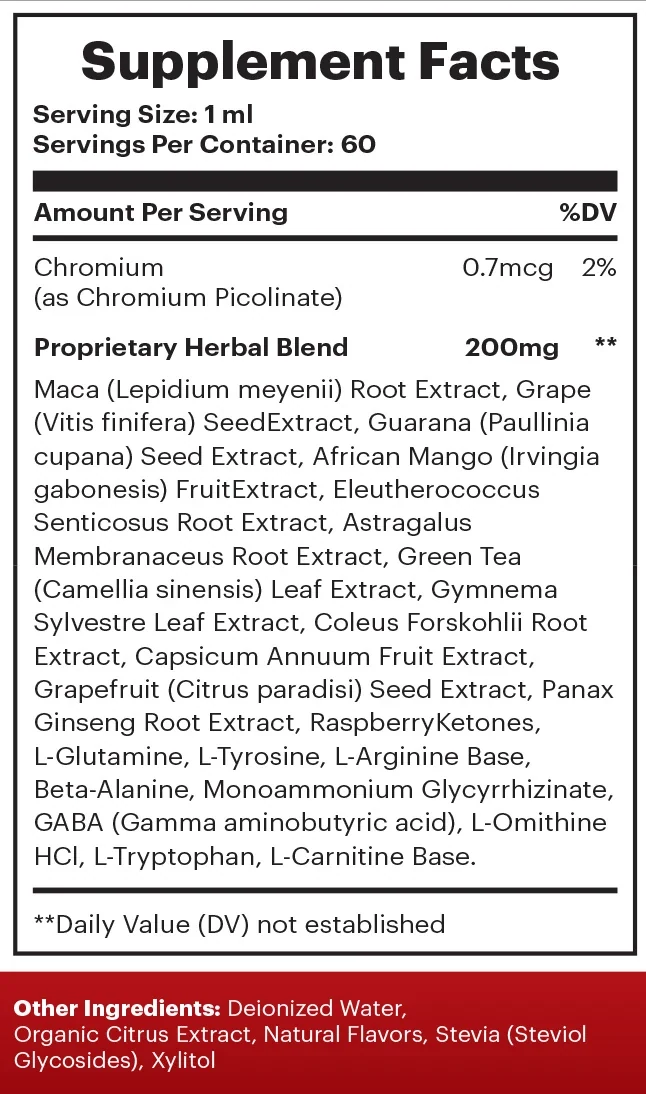
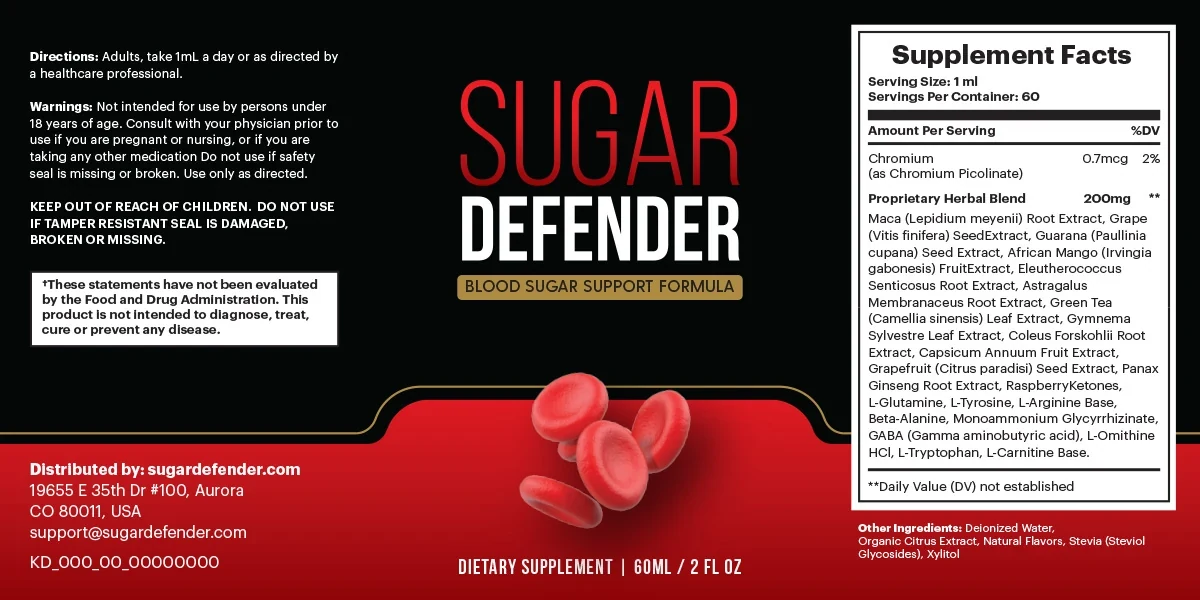
African mango in Sugar Defender is an Irvingia gabonensis fruit extract, fourth of 22 ingredients in the 200 mg blend. Its place caps it at 50 mg per 1 mL serving. A small trial used 300 mg a day, and weight evidence is weak overall, with little human data on blood sugar.
Written by the Sugar Defender label teamUpdated
The label line01
What is African mango in Sugar Defender?
African mango in Sugar Defender is an extract of the Irvingia gabonensis fruit, printed as "African Mango (Irvingia gabonensis) Fruit Extract". It comes from an African forest tree, not the common mango.
Supplements sell it mainly for weight management. That is also how the Sugar Defender sales page frames it.
On the label, it is the fourth of 22 blend lines, after maca root, grape seed and guarana seed. That makes it one of the larger shares in the blend.
The label does not say how strong the extract is, or what it is standardized to.
| Name on the label | African Mango (Irvingia gabonensis) Fruit Extract |
|---|---|
| What it is | Irvingia gabonensis fruit |
| Place on the label | 4 of 22 in the 200 mg proprietary blend |
| Amount per mL (1 dropper) | Not listed; #4 of 22 in the 200 mg blend, so at most 50 mg per mL |
| Amount used in research | 150 mg twice a day (300 mg) |
| Strength of evidence | Weak, small trials |
| Marketed or traditional use | Sold for weight management |
| Main caution | Gas, headache, sleep problems; caution with diabetes drugs. |
Blend math02
How much African mango is in Sugar Defender?
Sugar Defender holds at most 50 mg of African mango per 1 mL serving. The number is a ceiling worked out from the label order; the label prints no amount.
A proprietary blend must list its parts from most to least by weight (21 CFR 101.36 (eCFR)). Three lines sit above African mango, and each weighs at least as much. Four shares that size fit into 200 mg only if each is 50 mg or less.
An even split of the blend gives about 9 mg per line. The true amount sits somewhere at or under the 50 mg cap.
| Scenario | African mango | Share of 300 mg |
|---|---|---|
| Even split (200 mg / 22) | About 9 mg per mL | About 3% |
| Label-order ceiling (place 4) | At most 50 mg per mL | About 17%, one-sixth |
| Trial dose | 150 mg twice a day | 100% |
| Printed on the label | Not published | Not published |
Dose vs research03
What African mango dose did studies use?
The African mango study the NIH describes used 150 mg before lunch and 150 mg before dinner, or 300 mg a day, for 10 weeks (NIH ODS, Dietary Supplements for Weight Loss). It was a small trial, and the NIH calls the evidence limited.
The Sugar Defender label calls for one 1 mL serving a day, with no time of day. So the drops differ in amount and in timing.
Even at the ceiling, one serving is one-sixth of the trial's daily amount.
Trial dose
300 mg a day, split before two meals.
Most per mL
50 mg, set by fourth place in the blend.
Likely per mL
About 9 mg on an even split.
Evidence04
Does African mango help weight or blood sugar?
The evidence is weak for both. Memorial Sloan Kettering rates the weight studies as small and of poor method, and says human data on blood sugar are limited (MSKCC, Irvingia gabonensis (African mango)).
The blood sugar signal comes mostly from animal work. MSK notes an added glucose-lowering effect with diabetes drugs in rats, not in people.
The NIH weight-loss review reaches a similar view: one small trial, limited evidence (NIH ODS, Dietary Supplements for Weight Loss). No study has tested African mango inside Sugar Defender.
Weight
Few, small trials with methods MSK calls poor.
Blood sugar
Mostly animal data; little from people.
Sales claim05
Is African mango in Sugar Defender a "Fat Burning Agent"?
No study shows it works that way in these drops. The sales page calls African mango a "Fat Burning Agent" (Sugar Defender sales and order pages), but the trials behind it are small, weak and used about six times the label ceiling (MSKCC, Irvingia gabonensis (African mango)) (NIH ODS, Dietary Supplements for Weight Loss).
The phrase sits on the sales page only. The label itself carries the FDA statement and names no weight result.
The approach with the strongest record is food and activity. The Diabetes Prevention Program aimed for 5% to 7% weight loss and 150 minutes of activity a week (CDC, Prediabetes).
Our African mango "Fat Burning Agent" claim post walks through each study on its own.
Sugar Defender: from $49 a bottle60 mL · 1 mL a day · free US shipping on 3 or 6 · 60-day money-back guarantee
See packsCautions06
Is the African mango in Sugar Defender safe?
At most 50 mg of African mango is unlikely to cause problems for most adults, but the extract has a short list of reported side effects. MSK lists gas, headache and trouble sleeping (MSKCC, Irvingia gabonensis (African mango)).
MSK also records one case of kidney failure that needed dialysis. One case does not prove the extract caused it. If you have kidney disease, raise it with your doctor before starting.
MSK flags use with diabetes drugs as a caution, because of a possible added effect on glucose.
A weight or blood sugar supplement never replaces a prescribed drug. The label asks anyone taking other medication to consult a physician first.
Every flag for the full formula is on the Sugar Defender side effects page.
In the serving07
How does African mango fit in a 1 mL Sugar Defender serving?
African mango is one of the four largest shares in each 1 mL Sugar Defender serving. It follows maca, grape seed and guarana in the 200 mg blend.
Guarana, just above it, adds caffeine, and the label prints no caffeine amount (MSKCC, Guarana). If you notice trouble sleeping, caffeine is one possible cause.
The rest of the milliliter is water, citrus extract, natural flavors, stevia and xylitol.
What the bottle does not say
- How many milligrams of African mango are in 1 mL
- How the fruit extract was made or standardized
- Whether the extract matches the one used in trials
See every blend line on the Sugar Defender ingredients list.
Bottom line08
Should African mango be a reason to buy Sugar Defender?
No. The African mango in Sugar Defender is a named, mid-sized share of the blend, but the evidence for it is weak even at full trial doses.
If weight is your goal, talk with your doctor about steps with stronger support, such as the lifestyle program above.
If you still like the drops for the daily routine, check what to expect and when on the Sugar Defender results timeline.
FAQ09
African mango in Sugar Defender: questions
How much African mango is in Sugar Defender?
The label does not print it. African mango is fourth of 22 lines in a 200 mg blend, so one 1 mL serving holds at most 50 mg. An even split would be about 9 mg. A small trial used 300 mg a day (NIH ODS, Dietary Supplements for Weight Loss).
Which part of African mango does Sugar Defender use?
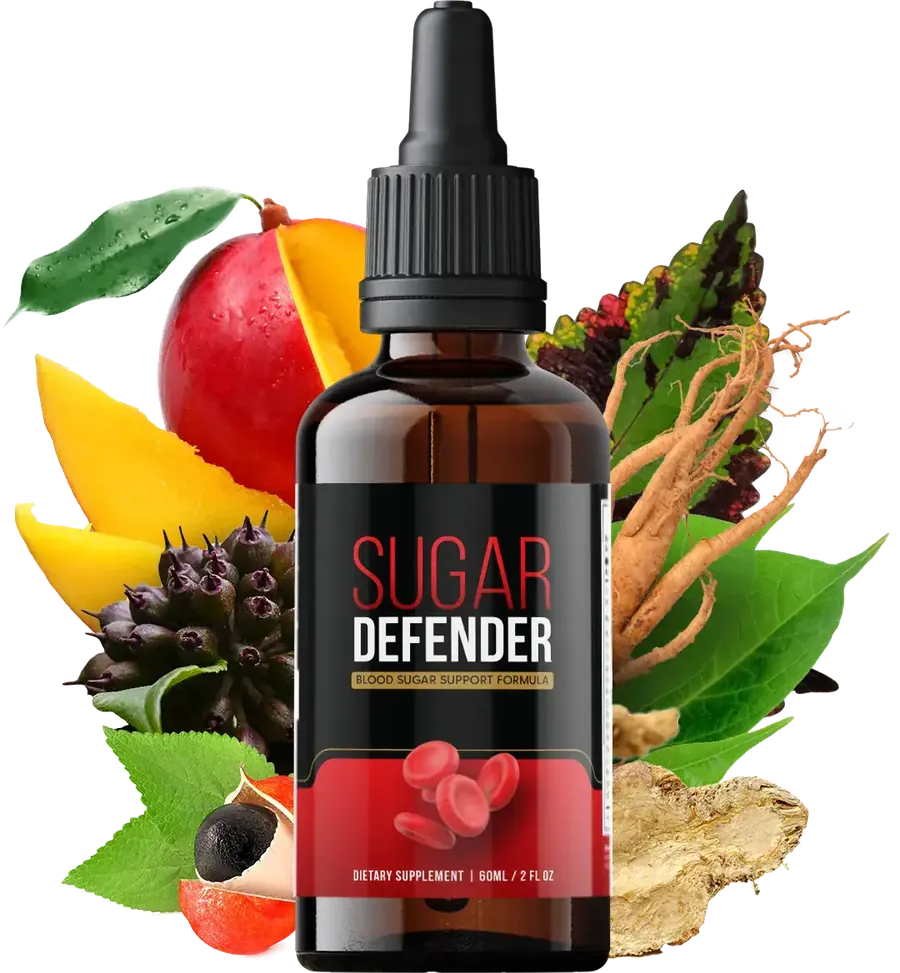
The label says fruit extract: "African Mango (Irvingia gabonensis) Fruit Extract". It gives no strength, ratio or standard, so you cannot tell how it compares with extracts used in research. The brand's fruit photo shows the plant, not the extract itself.
Can the African mango in Sugar Defender help me lose weight?
There is no good evidence it will. MSK calls the weight studies small and poorly designed (MSKCC, Irvingia gabonensis (African mango)), and those trials used about 300 mg a day. One serving holds at most a sixth of that. No trial has tested the drops.
Does African mango affect blood sugar?
Human data are limited. Most of the blood sugar signal comes from animal studies, and MSK notes a possible added effect with diabetes drugs in rats (MSKCC, Irvingia gabonensis (African mango)). If you take a glucose-lowering drug, ask your doctor before using any African mango product.
What side effects can African mango cause?
Reported side effects include gas, headache and trouble sleeping (MSKCC, Irvingia gabonensis (African mango)). MSK also notes one case of kidney failure that needed dialysis. At the small amounts in a 1 mL serving, problems seem unlikely, but stop and call your doctor if anything feels wrong.
Why is African mango fourth on the Sugar Defender label?
Blend lines run from most to least by weight (21 CFR 101.36 (eCFR)). Fourth place means only maca, grape seed and guarana weigh more. It tells you African mango is a larger share than most, but not its exact amount.
Who wrote this10
Written and reviewed by
Pages built from the label, the sales page and linked NIH, FDA, CDC, FTC and peer-reviewed sources.
Last updated . Read our editorial standards and the way we check reviews. This website is run by an authorized American Sugar Defender outlet, not by the manufacturer or the distributor. Purchases made through our order links earn us money.
Keep reading
More about Sugar Defender
Authorized American Sugar Defender outlet
Ready to try Sugar Defender?
Start with a medicine check, then pick a pack. Three or six bottles ship free in the US at a lower price per bottle, and every pack carries the 60-day money-back guarantee.
- Secure checkout
- 60-day money-back guarantee
- Ships from the U.S., free on 3 or 6