Blog
What Is A1C? The 3-Month Blood Sugar Test, Explained
What is A1C? It is a blood test that reflects your average blood sugar over roughly the past three months, shown as a percentage. Below 5.7% is typical, 5.7% to 6.4% is prediabetes and 6.5% or higher is diabetes. Only a clinician can read your result.
Written by the Sugar Defender label teamUpdated · 4 min read
What is A1C and what does it measure?
A1C is a blood test that shows the share of your hemoglobin that has sugar stuck to it. Hemoglobin is the protein in red blood cells that carries oxygen.
The more sugar in your blood over time, the more sticks. Red blood cells live about three months, so the result reflects an average over that span, not a single day.
That is why people call it the three-month test. A big meal yesterday will not change it much, and a good week will not erase a hard season.
Other tests look at different moments, so clinicians often compare them.
| Test | Prediabetes | Diabetes |
|---|---|---|
| A1C | 5.7% to 6.4% | 6.5% or higher |
| Fasting glucose | 100 to 125 mg/dL | 126 mg/dL or higher |
| 2-hour glucose tolerance | 140 to 199 mg/dL | 200 mg/dL or higher |
The cutoffs above come from the NIDDK (NIDDK, Diabetes & Prediabetes Tests). Each result still needs a clinician to read it alongside your history.
What is a normal A1C level?
A normal A1C is below 5.7%. A level of 5.7% to 6.4% is prediabetes, and 6.5% or higher points to diabetes (NIDDK, Diabetes & Prediabetes Tests).
A diagnosis needs confirming, usually with a repeat test. Try the finder below to see where a result sits.
- NormalA1C below 5.7%Fasting below 100 mg/dL
- PrediabetesA1C 5.7-6.4%Fasting 100-125 mg/dL
- Diabetes rangeA1C 6.5% or higherFasting 126 mg/dL or higher
Type an A1C or a fasting number to see its range. One test is not a diagnosis; a doctor confirms with a repeat test.
Ranges from NIDDK (NIDDK, Diabetes & Prediabetes Tests). About 115.2 million U.S. adults have prediabetes, and many do not know it (CDC, National Diabetes Statistics Report). A home meter is not a diagnostic test.
Remember that a range is a label, not a verdict. Prediabetes is a warning that can often be acted on, and the next steps matter more than the number. Our guide to blood sugar numbers covers fasting readings too.
Who should ask for an A1C test?
Anyone with risk factors, or symptoms of high blood sugar, should ask a clinician whether an A1C test is right.
The CDC lists several risk factors for prediabetes and type 2 diabetes (CDC, Diabetes Risk Factors).
- Being 45 or older
- Being active fewer than 3 times a week
- Having a parent or sibling with type 2 diabetes
- Having overweight or obesity
Many people with prediabetes feel fine. A test is the only way to know, and it is a routine blood draw.
If you already have diabetes, your clinician will pick how often to repeat it, and what goal suits you.
Can a supplement lower an A1C result?
No supplement has been proven to move A1C in a reliable way, and Sugar Defender has no trial of its own.
Take ginseng, an ingredient in the blend. A review of 16 trials found a small fall in fasting sugar, about 5.6 mg/dL, and no change in A1C (Shishtar et al., PLoS One 2014).
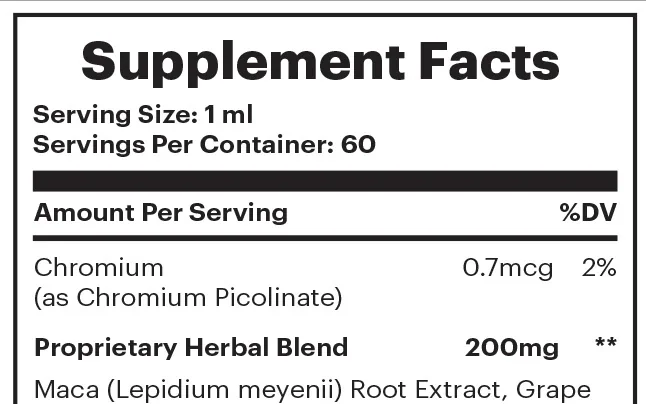
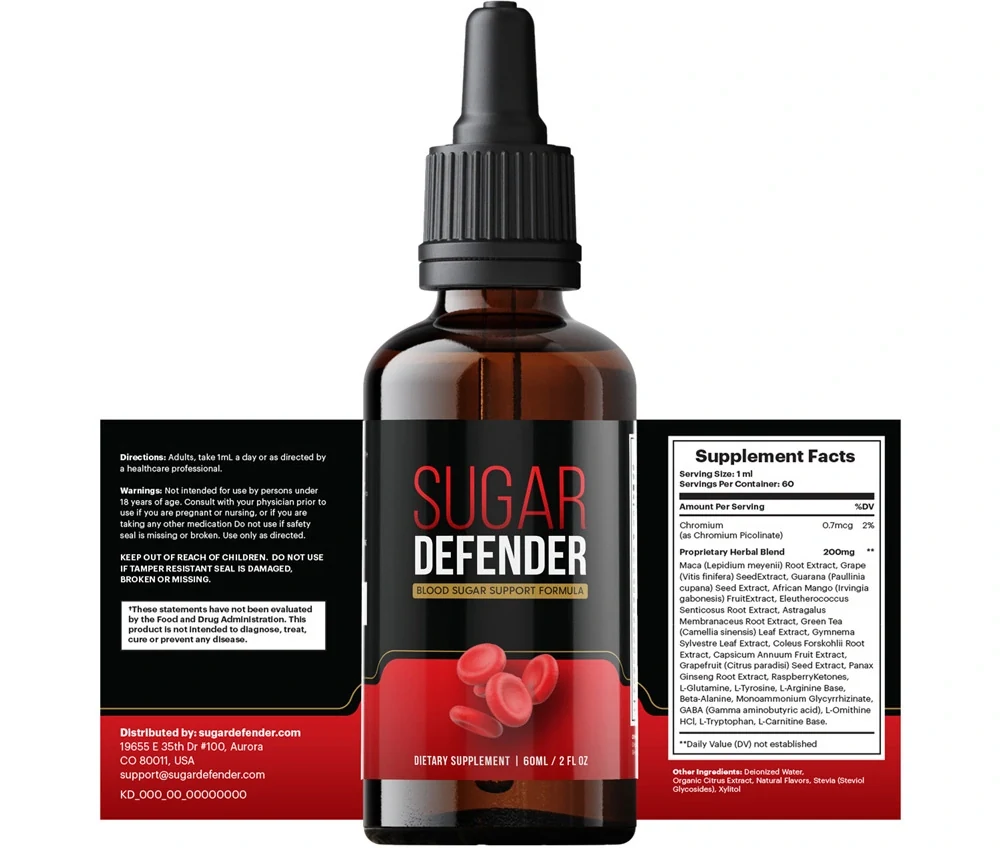
Chromium trials gave 200 to 1,000 mcg a day, and A1C results were mixed. The drops list 0.7 mcg per serving. The blend itself is 200 mg shared across 22 ingredients, with single amounts hidden.
If you search for "a1c sugar defender", the honest answer is that the product has no published A1C result. Any page promising one is selling.
What actually moves an A1C number?
Lifestyle changes and prescribed treatment are what move A1C, and the evidence for lifestyle change is strong.
In the Diabetes Prevention Program, weight loss plus 150 minutes of activity a week cut the risk of type 2 diabetes by 58% (NIDDK, Diabetes Prevention Program). Losing 5% to 7% of body weight was the goal.
Ask your clinician about food, movement, sleep and medicine. Retest at the interval they suggest.
Do not stop or change a diabetes medicine because of a supplement or a good result. Chromium and some herbs may add to those medicines and cause low blood sugar.
FAQ01
What is A1C: quick questions
How often should I get an A1C test?
That depends on your results and risk. Your clinician sets the schedule, which may be yearly with prediabetes or more often with diabetes. Ask at your next visit and write down the date of your last result.
Is A1C the same as fasting blood sugar?
No. A1C reflects about three months of average blood sugar, while a fasting test captures one moment after at least eight hours without food. A clinician may use both, with different cutoffs for each.
Does an A1C of 5.7% mean I have diabetes?
No. A level of 5.7% to 6.4% means prediabetes, and diabetes starts at 6.5%. Prediabetes is a signal to act, so ask your clinician about a lifestyle program.
Are home A1C tests as good as a lab test?
Home kits can flag a problem, but a lab test is the usual basis for diagnosis. Take a high home result to your clinician rather than changing medicine or starting a supplement on your own.
Who wrote this02
Written and reviewed by
Pages built from the label, the sales page and linked NIH, FDA, CDC, FTC and peer-reviewed sources.
Last updated . Read our editorial standards and the way we check reviews. This website is run by an authorized American Sugar Defender outlet, not by the manufacturer or the distributor. Purchases made through our order links earn us money.
Keep reading
More about Sugar Defender
Authorized American Sugar Defender outlet
Ready to try Sugar Defender?
Start with a medicine check, then pick a pack. Three or six bottles ship free in the US at a lower price per bottle, and every pack carries the 60-day money-back guarantee.
- Secure checkout
- 60-day money-back guarantee
- Ships from the U.S., free on 3 or 6