Blog
What Is a Blood Sugar Supplement? Rules, Claims and Labels
What is a blood sugar supplement? It is a dietary supplement sold for blood sugar support, such as a vitamin, mineral or herb in drops, capsules or gummies. It is not a medicine. The FDA does not approve supplements, and firms can sell them without notifying the agency (FDA, Information for Consumers on Supplements).
Written by the Sugar Defender label teamUpdated · 4 min read
Definition01
What is a blood sugar supplement?
A blood sugar supplement is a dietary supplement marketed for blood sugar support. It may contain a mineral such as chromium, a plant extract or an amino acid.
It comes as a capsule, tablet, gummy, powder or liquid. It is sold as food-like products, not as drugs.
The label may say it "supports healthy blood sugar." It may not say it treats, cures or prevents a disease such as diabetes.
Basic facts on supplements are on the NIH Office of Dietary Supplements site (NIH ODS, Supplements: What You Need to Know).
The key word is "supplement." It means the product adds to a diet. It does not stand in for food, for sleep, for exercise or for a prescription. A bottle that suggests otherwise is selling more than it can show.
The rules02
How does the FDA regulate blood sugar supplements?
The FDA regulates supplements differently from drugs. It is not authorized to approve them for safety and effectiveness before they are marketed (FDA, Information for Consumers on Supplements).
Firms can lawfully introduce supplements without notifying the FDA, and the number of products has grown nearly twenty times since 1994.
| Question | Prescription drug | Dietary supplement |
|---|---|---|
| Approved by FDA before sale? | Yes | No |
| May claim to treat disease? | Yes, if approved | No |
| Must show proof of effect? | Yes, in trials | No premarket proof |
| Label lists ingredients? | Yes | Yes, on Supplement Facts |
The seller is responsible for the label being truthful. In practice, that means problems are often found after a product is already on the shelf, by the FDA, the FTC or by buyers.
FDA also warns firms that sell products claiming to treat diabetes, and says it has not evaluated them (FDA, Illegally Sold Diabetes Treatments).
Claims03
What claims can a blood sugar supplement make?
It can make structure-and-function claims, such as "supports healthy blood sugar levels". It cannot claim to diagnose, treat, cure or prevent a disease.
That is why the label carries a line saying the FDA has not evaluated the statement. The line does not make a claim true or false. It only tells you the claim has not been reviewed.
Look out for words that cross the line, such as a promise to undo diabetes, swap out insulin or cure you. The FTC says health claims need competent and reliable scientific evidence, and a disclaimer does not fix a misleading one (FTC, Health Products Compliance Guidance).
- Allowed: "supports healthy blood sugar"
- Not allowed: "treats diabetes"
- Red flag: a celebrity or doctor you cannot verify
One more check: the label's front panel is marketing, while the Supplement Facts panel is the regulated part. When the two disagree, trust the panel.
Label reading04
How do you read a blood sugar supplement label?
Read the Supplement Facts panel first. It lists serving size, amounts and ingredients, and it shows what the front claims leave out.
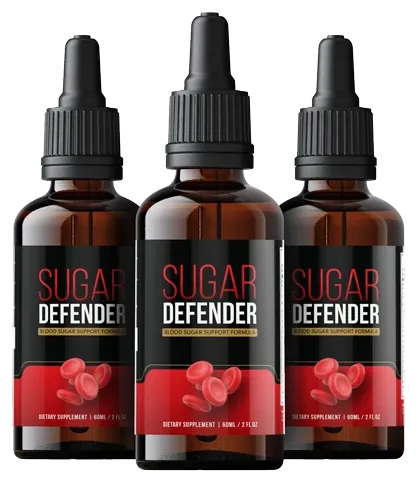
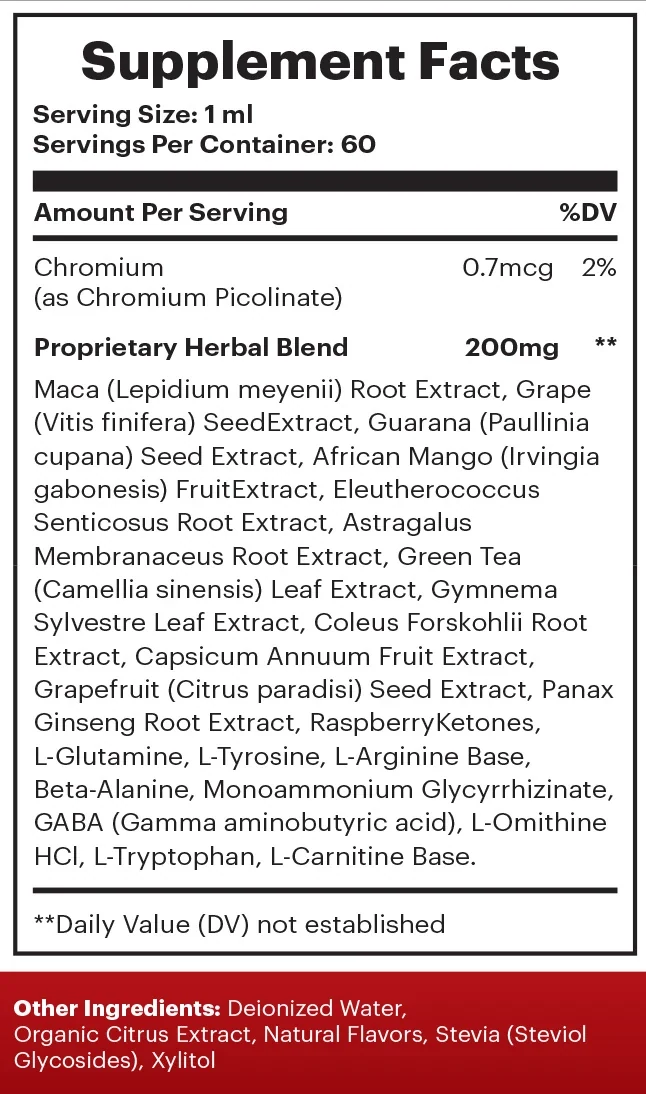
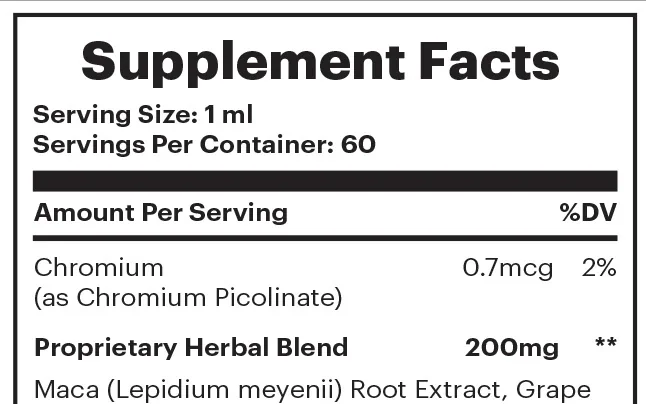
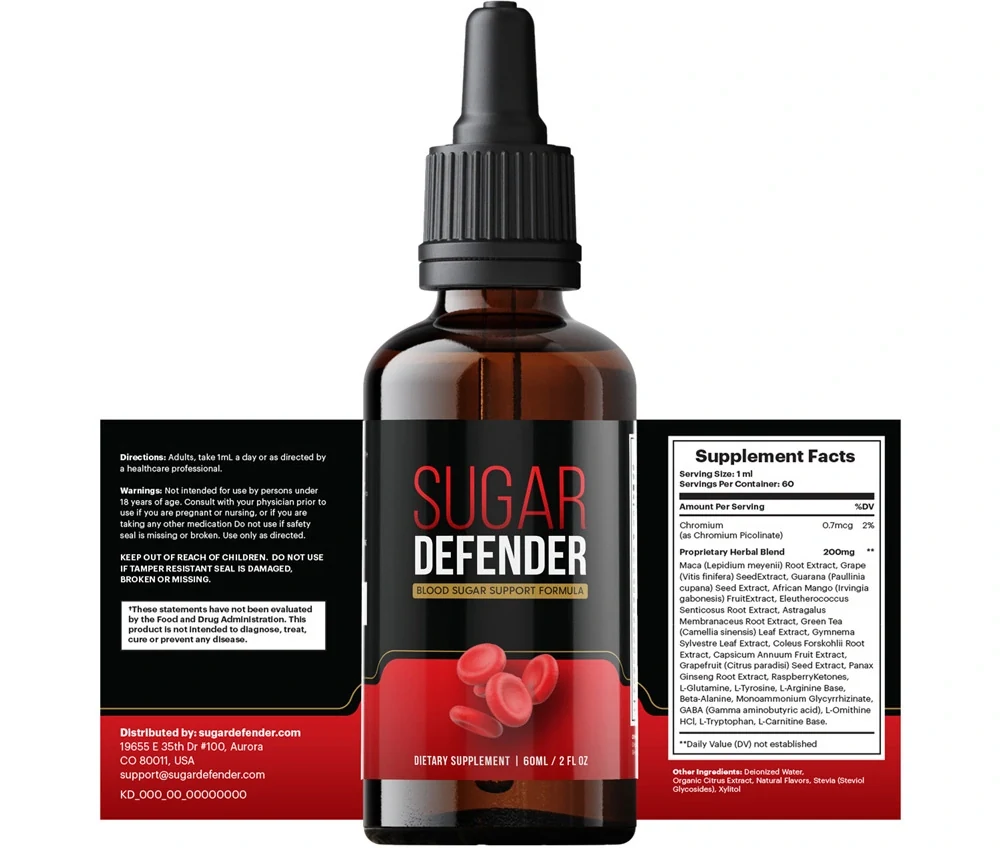
Sugar Defender is a handy example. Its panel lists 0.7 mcg of chromium and a 200 mg proprietary herbal blend of 22 ingredients. The blend shows its total weight but not each amount, which the rules allow (21 CFR 101.36 (eCFR)).
Studies of chromium used 200 to 1,000 mcg a day, so 0.7 mcg is far below that range. No trial has tested the drops. Our Sugar Defender supplement facts page types out each line.
Last, check the "other ingredients" line. It names sweeteners and flavors, which matter if you avoid certain additives or share a home with a dog.
A supplement never replaces your prescription. Ask your doctor or pharmacist before adding one.
FAQ05
Blood sugar supplements: quick questions
Is a blood sugar supplement a drug?
No. It is a dietary supplement, sold as a food-like product. It does not need FDA approval before sale and may not claim to treat disease. A prescription medicine is held to a stricter standard.
Does FDA approve blood sugar supplements?
No. The FDA is not authorized to approve dietary supplements for safety and effectiveness before they are sold. If you use a supplement, say so to your doctor or pharmacist.
What does the FDA disclaimer on a supplement label mean?
It says the FDA has not evaluated the statements on the label and that the product is not intended to diagnose, treat, cure or prevent any disease. It tells you the claims were not reviewed.
What does proprietary blend mean on a label?
It means the label shows the blend's total weight and lists the ingredients from most to least by weight, but not each amount. You cannot tell exactly how much of any one ingredient you get.
Who wrote this06
Written and reviewed by
Pages built from the label, the sales page and linked NIH, FDA, CDC, FTC and peer-reviewed sources.
Last updated . Read our editorial standards and the way we check reviews. This website is run by an authorized American Sugar Defender outlet, not by the manufacturer or the distributor. Purchases made through our order links earn us money.
Keep reading
More about Sugar Defender
Authorized American Sugar Defender outlet
Ready to try Sugar Defender?
Start with a medicine check, then pick a pack. Three or six bottles ship free in the US at a lower price per bottle, and every pack carries the 60-day money-back guarantee.
- Secure checkout
- 60-day money-back guarantee
- Ships from the U.S., free on 3 or 6