Blog
L-Carnitine and Blood Sugar: Grams in Studies, Milligrams Here
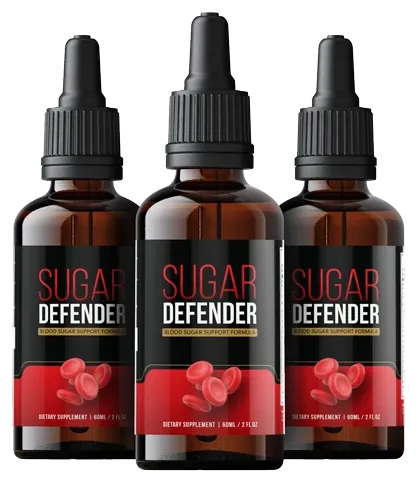
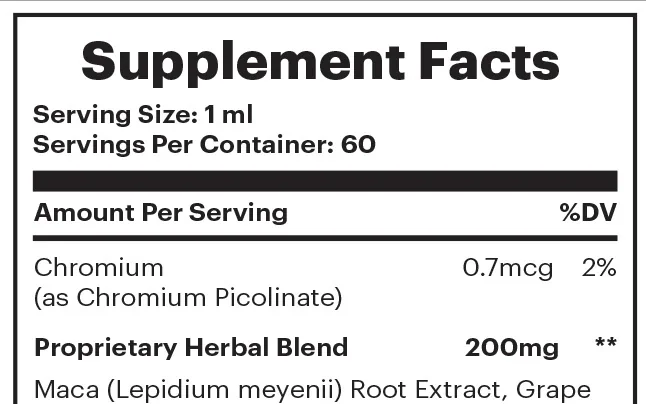
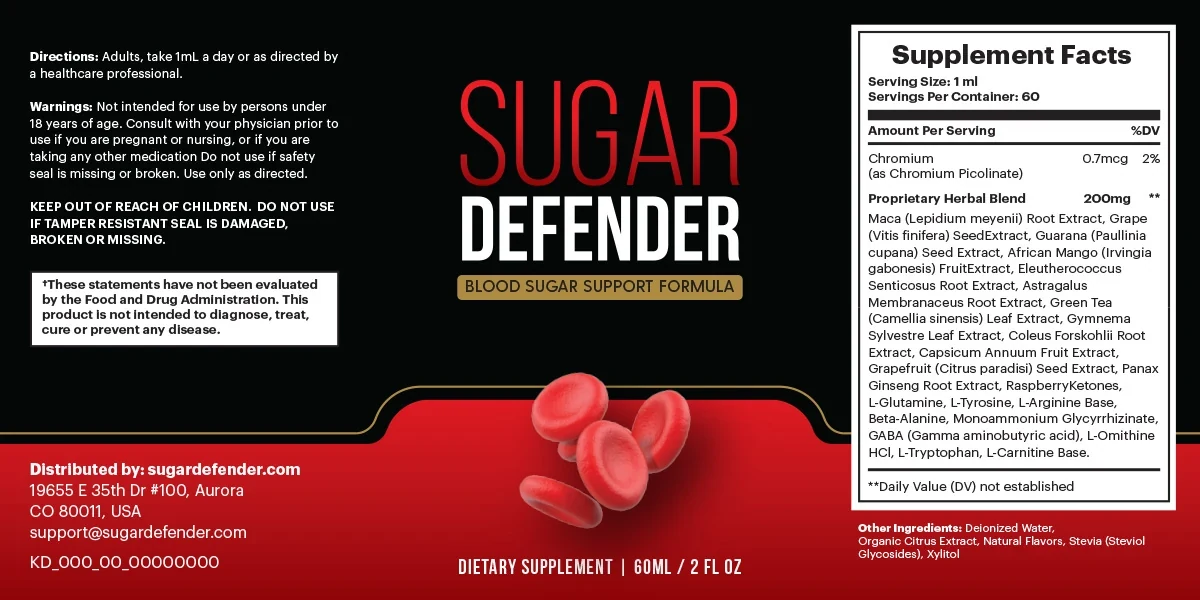
L-carnitine blood sugar research used about 2 to 3 grams a day in type 2 diabetes studies, with some improvement in fasting glucose. Sugar Defender lists L-carnitine last of 22, so a 1 mL serving holds at most about 9 mg, hundreds of times less than the studied dose.
Written by the Sugar Defender label teamUpdated · 4 min read
The compound01
What is L-carnitine and what does it do?
L-carnitine is an amino acid derivative that the body makes and uses to turn fat into energy inside cells.
Healthy people generally do not need supplements, because the body makes enough, according to the NIH Office of Dietary Supplements (NIH ODS, Carnitine).
Because of that, the extra fuel from a pill has little to add in most healthy adults. Needs can change with some medical conditions, which is a conversation for a doctor, not a label.
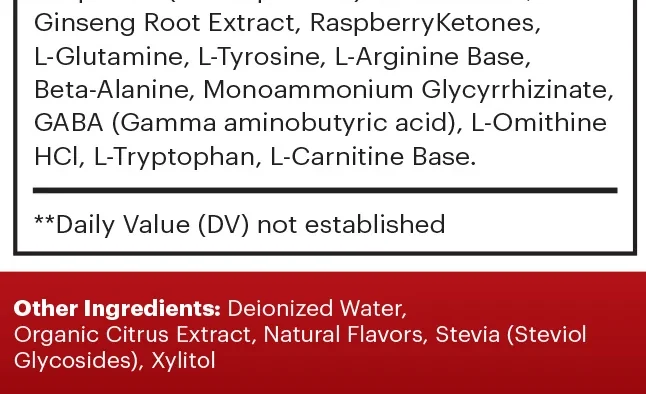
It is the 22nd and last line of the Sugar Defender blend, written as "L-Carnitine Base". The sales page gives it no claim of its own.
Research02
Does L-carnitine affect blood sugar?
Possibly, at high doses. Studies in type 2 diabetes used about 2 to 3 grams a day, and some showed improvement in fasting glucose (NIH ODS, Carnitine).
A broader meta-analysis used 0.25 to 4 grams. The ODS notes that larger trials are needed before anyone can draw firm conclusions.
Even so, the finding is modest. Fasting glucose improved in some trials, yet the sources stop short of calling it a treatment, and the same NIH page says more evidence is needed.
Notice the unit. Grams are thousands of milligrams. Those trials were run with a measured dose, under study conditions, in people whose diabetes was being followed.
| Measure | Amount per day |
|---|---|
| Type 2 diabetes studies | About 2,000 to 3,000 mg |
| Broader meta-analysis | 250 to 4,000 mg |
| Sugar Defender, even split | About 9 mg of blend per ingredient |
| Sugar Defender, last place | At most 9 mg (200 / 22) |
| Printed on the label | Not published |
The math03
How much L-carnitine is in each Sugar Defender serving?
No more than about 9 mg, and possibly less. The label does not print an amount.
Ingredients are listed from most to least by weight (21 CFR 101.36 (eCFR)). Being last, L-carnitine is the smallest share, so it cannot exceed 200 divided by 22.
That is about 9 mg per 1 mL. Compare 2,000 mg with 9 mg: the studied dose is more than 200 times the label's ceiling. Even the low end of the 250 mg range is about 28 times higher.
Put another way, to match 2 g you would need a bottle with about 220 servings of the label's top possible amount. A 60 mL bottle has 60.
It does not follow that the line is useless or harmful. It means the research cannot be borrowed to describe this bottle.
Safety04
Are there side effects of L-carnitine?
At about 3 grams a day, L-carnitine can cause nausea, cramps, diarrhea and a fishy body odor (NIH ODS, Carnitine).
The fishy smell is a known marker of high intake, not a sign of anything wrong with the bottle.
At the milligram level here, those effects are unlikely. The bigger question is the rest of the blend, since you are taking all 22 lines together.
- If you take a diabetes medicine, ask first about lows.
- Report any new stomach upset.
- Follow the label's 1 mL a day.
Leave any change to a diabetes medicine to your doctor, not to a supplement label. The National Center for Complementary and Integrative Health warns against replacing treatment with an unproven product (NCCIH, Diabetes and Dietary Supplements).
Takeaway05
Should L-carnitine be a reason to buy Sugar Defender?
No. The research behind it does not match what the bottle may hold.
If you buy the drops, do it for the whole label, the daily dose and the guarantee, and not for a single amino acid. The same caution applies to every line in a hidden blend: the studied dose and the label dose are different things. The amino acids ingredient page shows how the eight amino acid lines compare.
For the full panel, read the Sugar Defender supplement facts line by line.
FAQ06
L-carnitine questions
Is L-carnitine the same as acetyl-L-carnitine?
No. They are related forms. The Sugar Defender label lists L-carnitine base, and the studies we cite on blood sugar covered carnitine in general, so form-specific claims should not be assumed.
Does the body make its own carnitine?
Yes. The NIH says the body makes carnitine, and healthy people generally do not need supplements. Needs can differ with certain medical conditions, so ask your doctor.
Why is L-carnitine listed last in the blend?
Because the label orders ingredients from most to least by weight. Last place means the smallest share, at most about 9 mg of the 200 mg blend per 1 mL serving.
Who wrote this07
Written and reviewed by
Pages built from the label, the sales page and linked NIH, FDA, CDC, FTC and peer-reviewed sources.
Last updated . Read our editorial standards and the way we check reviews. This website is run by an authorized American Sugar Defender outlet, not by the manufacturer or the distributor. Purchases made through our order links earn us money.
Keep reading
More about Sugar Defender
Authorized American Sugar Defender outlet
Ready to try Sugar Defender?
Start with a medicine check, then pick a pack. Three or six bottles ship free in the US at a lower price per bottle, and every pack carries the 60-day money-back guarantee.
- Secure checkout
- 60-day money-back guarantee
- Ships from the U.S., free on 3 or 6