Blog
Low Blood Sugar From Supplements: Signs and the 15-15 Rule
Low blood sugar from supplements is a risk mainly for people who take insulin or certain diabetes pills, because some supplements may add to those drugs. Low means under 70 mg/dL (NIDDK, Low Blood Glucose). Know the signs, treat with 15 g of fast carbs, recheck in 15 minutes, and call 911 for a severe low.
Written by the Sugar Defender label teamUpdated · 4 min read
Can supplements cause low blood sugar?
Yes, in some people. The American Diabetes Association warns that some supplements can cause low glucose when combined with diabetes medications (ADA, Vitamins & Supplements).
The risk is highest with insulin, sulfonylureas and meglitinides, the drugs that can cause lows on their own (NIDDK, Low Blood Glucose).
In healthy people with no such drugs, a low from a supplement is much less likely. Chromium, for one, does not appear to change glucose in healthy people (NIH ODS, Chromium).
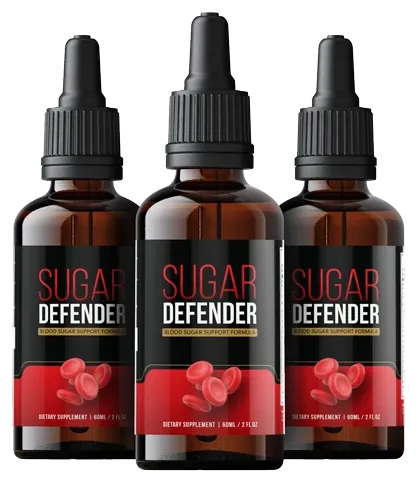
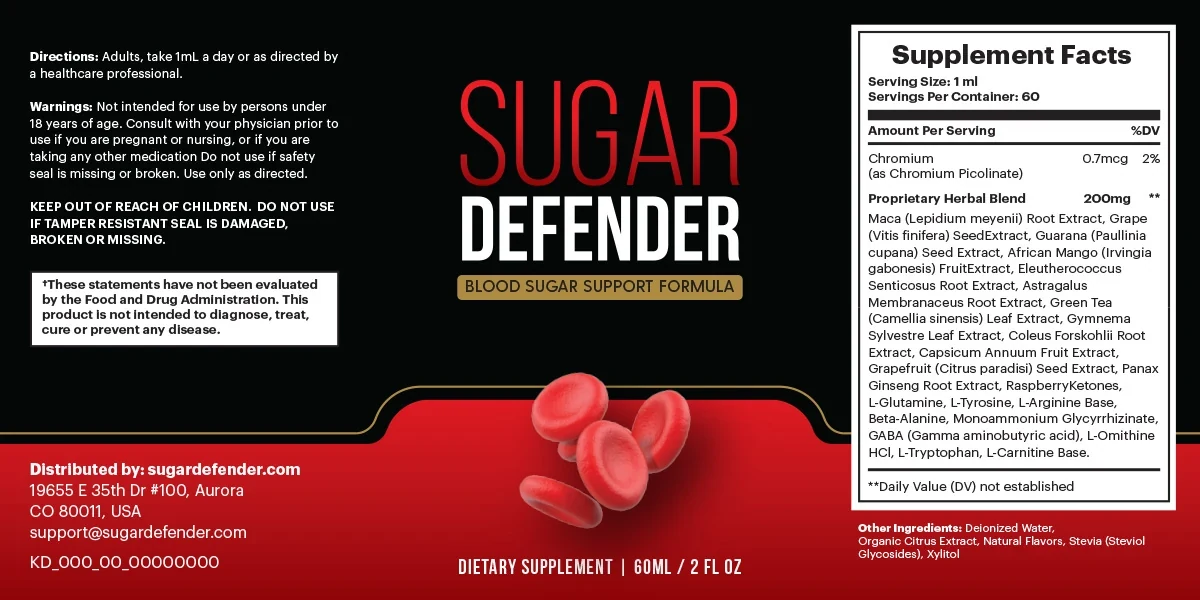
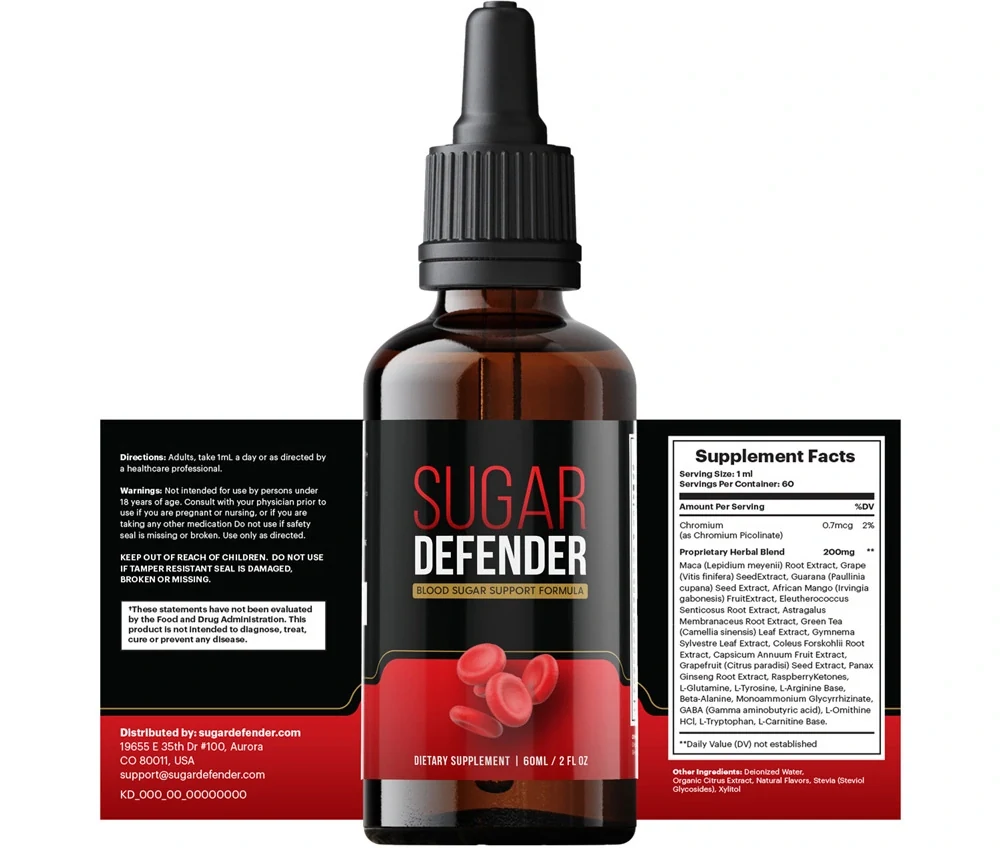
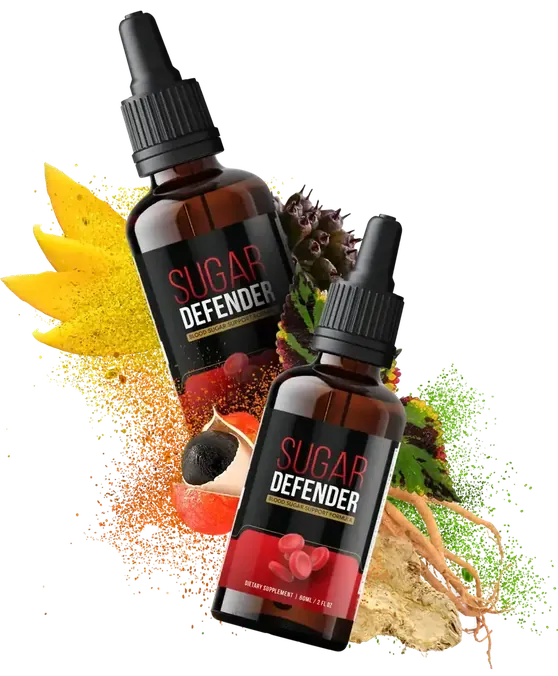
Sugar Defender is not a diabetes drug and we do not say it lowers blood sugar. But its label lists chromium and herbs that are studied for glucose effects, so the caution applies.
Which medicines and ingredients make lows more likely?
Lows are most likely when a glucose-lowering drug meets an ingredient that may add to it.
Chromium may add to the effect of insulin and other diabetes drugs (NIH ODS, Chromium). Ginseng and African mango carry the same kind of caution in public sources.
| If you take | Why it matters |
|---|---|
| Insulin | Can cause lows alone; extra effect adds risk |
| A sulfonylurea or meglitinide | Can cause lows alone |
| No diabetes medicine | Lower risk, but skipped meals and alcohol still matter |
Other things stack on top of a drug and a supplement. A skipped meal, a long walk or a drink of alcohol can each push glucose down, so tell your team about those habits too.
Hidden blend amounts make it hard to judge. By label order, gymnema is at most 25 mg of the 200 mg blend, and the true figure is not printed.
What are the signs of low blood sugar?
Shakiness, sweating, hunger, dizziness, confusion and a fast heartbeat are the usual signs (NIDDK, Low Blood Glucose).
Symptoms vary from person to person, so learn your own early signs (ADA, Low Blood Glucose). If you can, check with a meter instead of guessing.
Some people also notice headache or a sudden mood change. Others feel nothing until a low is serious, which is why a meter helps.
Severe lows can cause a seizure or loss of consciousness. Treat early so it never gets there.
- Shaky or jitteryTrembling hands, feeling nervous
- Sweaty, chillsClammy skin out of nowhere
- Hungry, nauseousSudden strong hunger
- Dizzy, confusedTrouble thinking or speaking clearly
- Fast heartbeatPounding or racing pulse
15-15Under 70 mg/dL counts as a low for many people with diabetes. Have 15-20 g of fast carbohydrate (juice, glucose tablets) and check again 15 minutes later.
Call 911When someone with a low passes out, has a seizure or cannot safely swallow. Someone who is unconscious should not be given food or drink.
The signs and steps come from NIDDK (NIDDK, Low Blood Glucose). Lows can come from insulin, sulfonylureas and meglitinides, and supplements may add to them (ADA, Vitamins & Supplements).
What is the 15-15 rule for a low?
Take 15 grams of fast-acting carbohydrate, wait 15 minutes, then check again (ADA, Low Blood Glucose).
Check if you can
Under 70 mg/dL counts as low.
Take 15 g of fast carbs
Think juice or glucose tablets, not a slow snack.
Wait 15 minutes and recheck
If still low, repeat. Then eat a snack or meal.
Call 911 if someone with a low passes out, has a seizure or cannot swallow. Do not put food or drink in the mouth of a person who is unconscious.
Do not stop insulin or a diabetes pill because of a low or a supplement. Call your care team and ask what to change.
How do you lower the risk before starting a supplement?
Tell your care team before you start, not after a scare.
The ADA advises discussing any supplement with your healthcare team first (ADA, Vitamins & Supplements). Bring the bottle so they can read every line.
Ask three things: whether your medicines can cause lows, whether the supplement could add to them, and what number should trigger a call.
- Start only one new product at a time
- Write the start date next to your glucose log
- Keep a source of fast carbs where you spend your day
Reading the label is not the same as knowing the amounts. If a blend hides them, treat the unknown as a reason for extra care.
More on this is on the supplements and diabetes medicines guide and the Sugar Defender side effects page.
FAQ01
Low blood sugar and supplements: quick questions
What blood sugar number counts as low from a supplement?
Under 70 mg/dL is the usual line for low blood glucose in people with diabetes. The cause does not change the number. Treat it the same way, then tell your care team what you had taken.
Can I treat a low with the same drops I took?
No. Sugar Defender is not a rescue treatment and the label says nothing of the kind. Use 15 grams of fast-acting carbohydrate such as juice or glucose tablets, then recheck in 15 minutes.
Should I stop a supplement if I get shaky or sweaty?
Treat the possible low first. Then stop the supplement and call your provider, as NCCIH advises for side effects. Do not stop prescribed medicine on your own.
Who wrote this02
Written and reviewed by
Pages built from the label, the sales page and linked NIH, FDA, CDC, FTC and peer-reviewed sources.
Last updated . Read our editorial standards and the way we check reviews. This website is run by an authorized American Sugar Defender outlet, not by the manufacturer or the distributor. Purchases made through our order links earn us money.
Keep reading
More about Sugar Defender
Authorized American Sugar Defender outlet
Ready to try Sugar Defender?
Start with a medicine check, then pick a pack. Three or six bottles ship free in the US at a lower price per bottle, and every pack carries the 60-day money-back guarantee.
- Secure checkout
- 60-day money-back guarantee
- Ships from the U.S., free on 3 or 6